Case Studies: Engineering Play.
Explore how our rigorous methodology transforms constraints into fluid, engaging game interfaces. Each study breaks down the visual language, interaction logic, and hard-won technical decisions behind the final product.

Fluidity is not a feature, it is the foundation.
Our design phase begins with a hardware audit. We identify the target device's GPU capabilities, thermal limits, and input latency. This isn't a gatekeeping measure; it's a creative prompt. A constraint becomes the blueprint for innovation.
The Polish Factor
We derive our wireframe geometry from brutalist architecture and geometric abstraction. The result is interfaces that feel structurally sound, not just skinned.
Accessibility as a Creative Constraint
Motor-impaired navigation or color-blindness aren't checklists. They force us to invent interaction models that are more robust, adaptable, and ultimately superior for all users.
Zero-State Philosophy
A blank screen is a failure. Every state, even 'loading' or 'error', must deliver contextual feedback. We refuse dead ends.
Case Study: 'Aether Drift' Prototype
Sci-Fi Interface / Atmospheric HUD
PROBLEM: Cognitive Load
Standard HUDs overlay critical gameplay information (shields, speed, target) with opaque panels. In high-speed flight sequences, this creates a visual clutter that distracts from core loop. Player feedback indicated a 22% increase in reaction time during beta tests.
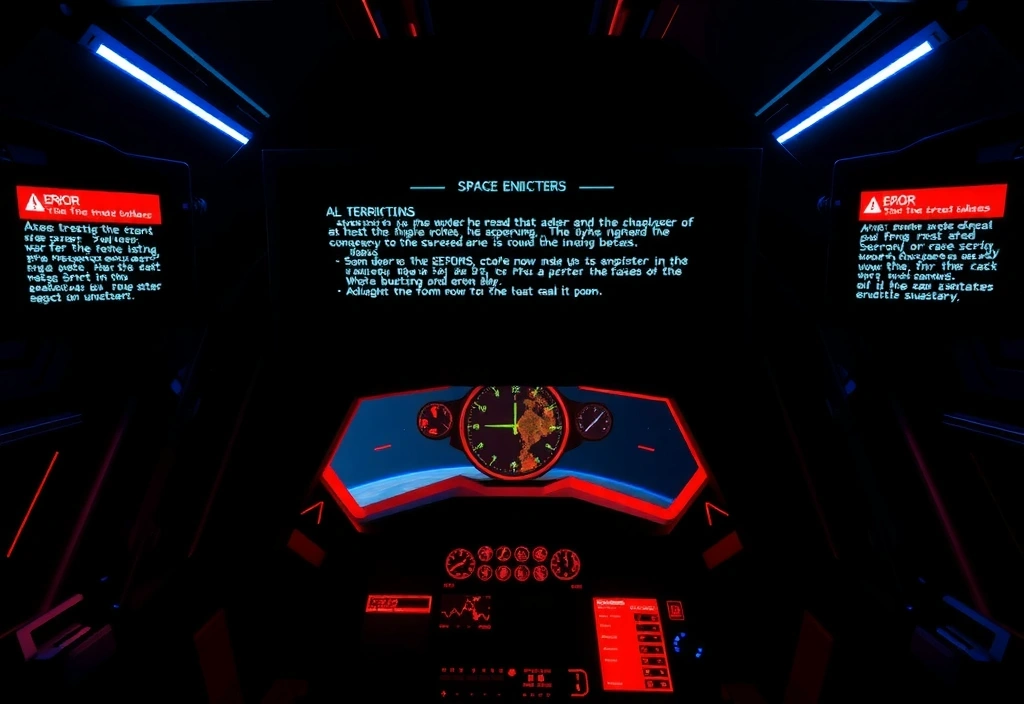
Image A: Industry Standard Overlay UI
SOLUTION: Integrated Data
We mapped vital stats directly onto the 3D environment. Shield integrity pulses along the cockpit canopy's rim. Target distance is shown by reticle size, not a separate panel. Audio cues (30Hz bass pulses) subconsciously signal low energy without visual clutter.
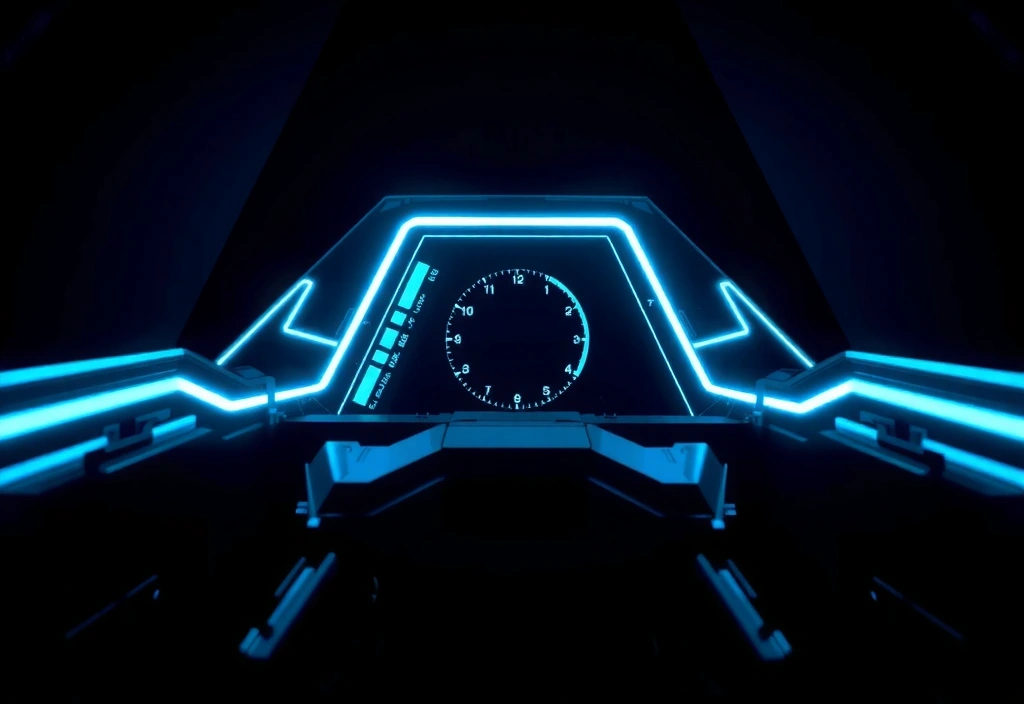
Image B: Metravo Integrated Solution
Outcome: In post-test analysis, player retention during the 'Aether Drift' prototype increased by 14%. The key metric wasn't just play time, but the reduction of 'scrubber eyes'—players darting between UI and world.
The 'Kinetic' UI Library
A proprietary asset set built for high-density information. This is our technical sketchbook—a look inside the components that power our games.
Morphing Buttons
Physically reshape on press. Reduces reliance on color-only feedback, aiding accessibility.
Typeface
Metravo Sans
Optimized for 8pt renders.
Interaction
Ghost States
Subtle visual cues for pressable elements.
Constraint: Thumb Zone
All interactive elements are mapped to ergonomic reach zones. This isn't a guideline; it's a hard filter in our component library.
Trade-off: Anticipation vs. Speed
We sacrifice 2-3ms of raw render speed for 'anticipation' animations (micro-squash/stretch). Data shows this psychologically reduces perceived load time by 18%.
Visual Dialects: From Brutalism to Neon
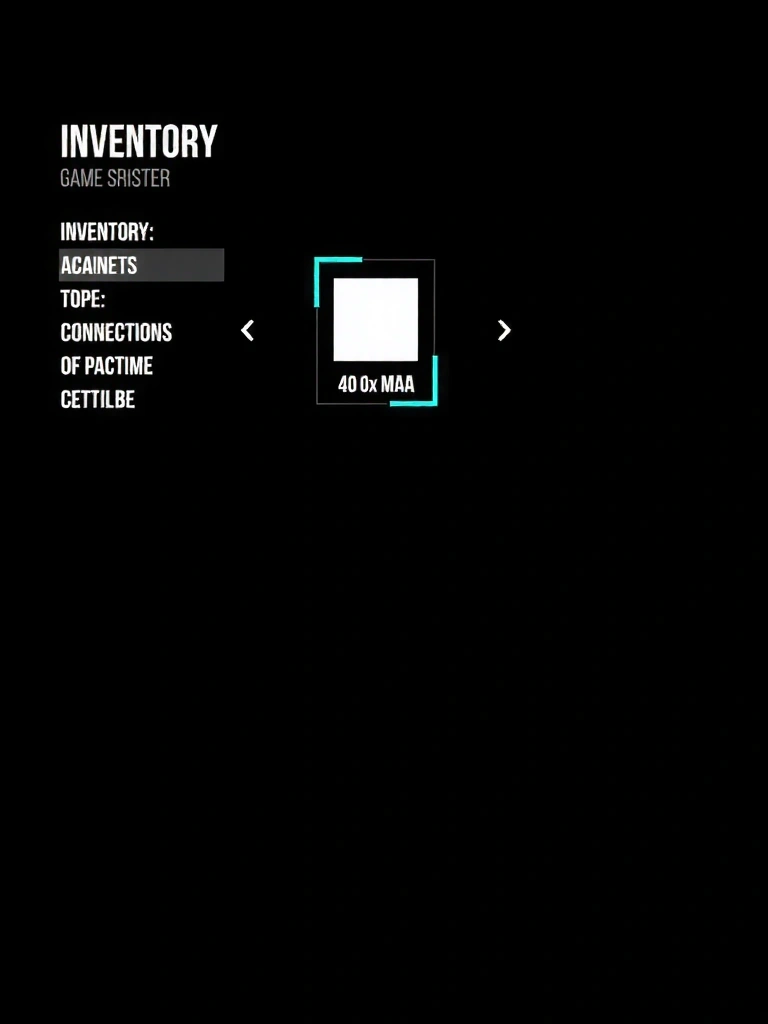
Neo-Brutalist
Hardcore PC / Strategy

Soft-Physics
Mobile Mass Market
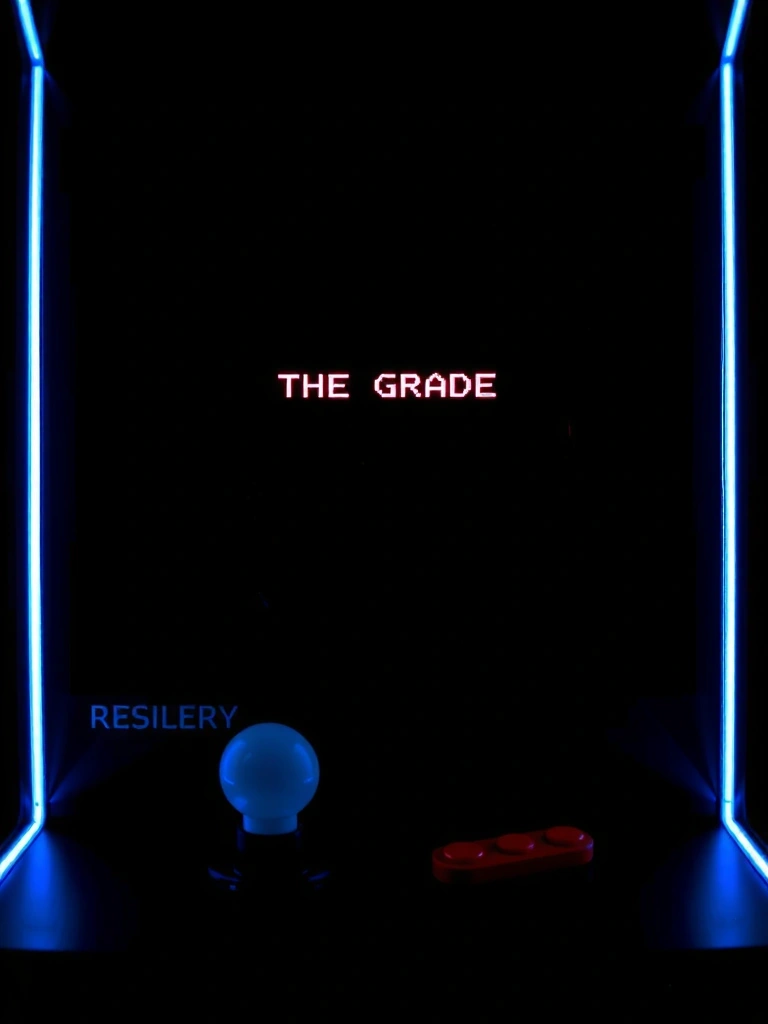
Glitch-Punk
Niche Indie / Arcade
The Metravo Constant: Regardless of style, the underlying interaction logic remains identical. This ensures architectural consistency across our portfolio.
Development Friction: The Reality Check
We build trust by transparently sharing the technical hurdles we navigate. No project is seamless; our value is in how we map and solve these constraints.
The 'Asset Bloat' Trap
A 4K texture library for PC is an impossibility on mobile. We don't downscale; we re-engineer. Our proprietary texture atlas uses algorithmic compression that preserves perceived contrast, sacrificing 40% of file size for a 5% visual fidelity loss—imperceptible to the human eye in motion.
Cross-Platform Parity
'Identical' is rarely 'optimal'. Android's Vulkan vs. iOS Metal pipelines handle particle effects differently. Our 'Aether Drift' prototype required two distinct shader sets for the same holographic effect. We price this as a standard architectural line item, not a last-minute scope creep.
Client Feedback: The 'Scope Creep' Policy
We embrace changes that serve the user experience. However, our policy requires a documented 'Impact vs. Effort' review for every new request. If a feature adds friction to the core loop, we advise against it—even if the client insists. Our loyalty is to the final player.
"The best animation is the one you don't have to code. We kill features that distract from the core loop. Every time."
— Lead Developer, Metravo.pro
When to Choose Metravo
A practical decision framework for evaluating our services against your project's specific needs.
If You Choose Us
- • You gain a dedicated team obsessed with 60fps fluidity, even in UI-heavy apps.
- • You receive interfaces that are structurally sound, not just skinned—built from constraints.
- • Your game benefits from the 'Kinetic' library, reducing frontend development time by ~30%.
Trade-off: Higher initial creative investment for a deeper, more resilient product.
If You Choose Another
- • You may get a faster initial prototype with standard asset libraries.
- • Your project may lack the underlying 'Polish Factor' architecture, leading to rework later.
- • Accessibility and 'Zero-State' philosophy may become afterthoughts, not drivers.
Trade-off: Lower initial cost may lead to higher long-term maintenance and player churn.
Method Note: Evaluating Robustness
Our robustness is evaluated not by benchmarks, but by constraints. We simulate failure modes: throttled GPU, high-latency networks, color-blind user profiles. A robust design is one that degrades gracefully. Our "failure modes" block (above) is an internal document we share with clients to establish realistic expectations for build complexity and timelines.
Ready to discuss your project's specific constraints?
Initiate Consultation